

RA-RA Feedback
Turn Feedback Into Organizational Capability
A structured leadership process for establishing readiness, aligning expectations, reflecting on performance, and converting insight into meaningful adjustment.
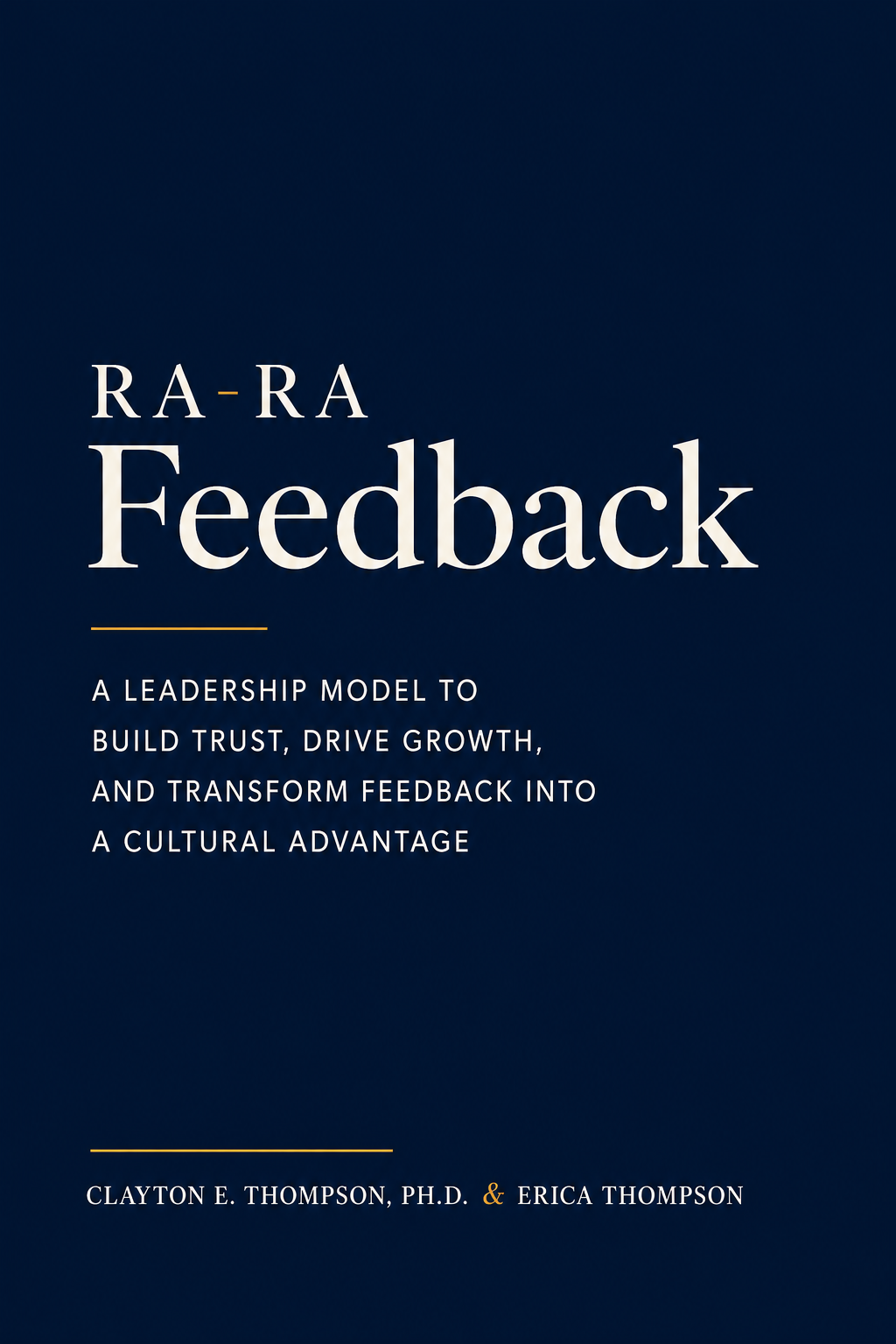
The Book
A Better System for Feedback
RA-RA Feedback presents a leadership model for making feedback more consistent, useful, and connected to the work leaders and teams are responsible for accomplishing.
Built around four stages—Ready, Align, Reflect, and Adjust—the model creates a repeatable rhythm for establishing expectations, examining performance, learning from experience, and turning insight into action.
The book explores how leaders can use that rhythm to strengthen trust, improve individual and team performance, and make feedback part of how an organization learns and adapts.
The RA-RA Model
A Simple Rhythm for Better Feedback
RA-RA gives leaders a repeatable process for preparing for feedback, establishing shared expectations, learning from performance, and turning insight into meaningful action.
Ready
Create the conditions for an effective conversation by clarifying purpose, building trust, and preparing both people to engage openly.
Align
Establish shared expectations for success by clarifying goals, standards, priorities, and what strong performance should look like.
Reflect
Examine performance with honesty and curiosity. Surface what is working, identify gaps, and capture the lessons that should shape what happens next.
Adjust
Convert reflection into action through clear commitments, practical adjustments, and deliberate follow-through that strengthens future performance.
The Rhythm
Ready creates the conditions. Align establishes the destination. Reflect creates learning. Adjust turns that learning into progress.
Practice a RA-RA Conversation
Prepare for a feedback conversation by working through Ready, Align, Reflect, and Adjust. Your answers will become a practical conversation plan you can print or save as a PDF.
Better conversations begin before the conversation.
This tool will help you separate observations from assumptions, clarify the purpose of the discussion, prepare questions, and define a workable adjustment.
ReadyPrepare yourself and the evidence.
AlignEstablish purpose and expectations.
ReflectCreate space for perspective.
AdjustAgree on action and follow-through.
RA-RA Conversation Plan
Use the plan as a guide, not a script.
Listen for information that changes your understanding. A productive conversation can require a different adjustment than the one you expected before it began.
RA-RA + Organizational Capability
Feedback Becomes More Powerful When the Organization Learns From It
Individual conversations matter, but their value compounds when leaders use feedback to identify patterns in how work gets done. Repeated signals can reveal where expectations are unclear, where systems create friction, where resources are insufficient, and where leadership practices need to change.
Clarity
Clear expectations reduce ambiguity around priorities, standards, roles, and what successful performance requires.
Trust
Consistent, credible feedback creates conditions where people can surface concerns, discuss performance openly, and address problems earlier.
Learning
Reflection captures what experience is teaching the organization and turns individual performance conversations into shared learning.
Adaptation
Adjustment converts insight into changes in behavior, priorities, processes, resources, and operating practices.
The Organizational Signal
When the same barrier appears across multiple conversations, the issue may no longer belong to the individual. It may be evidence of a system that needs to change.
Better conversations strengthen performance. Better feedback systems help organizations become more capable.